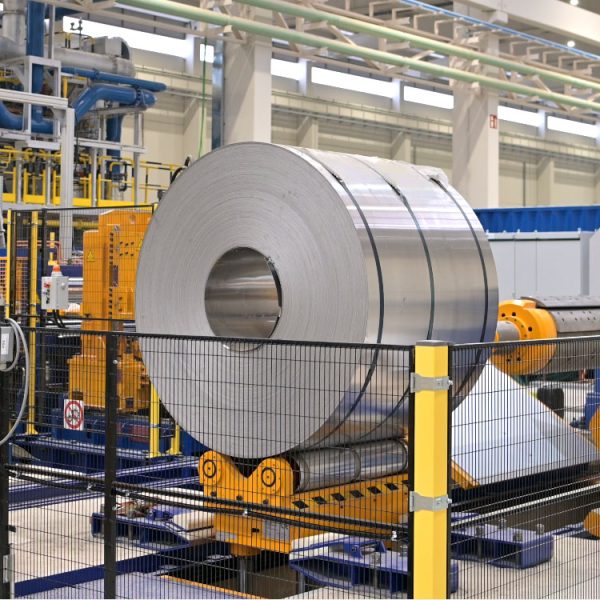
Recycling aluminium saves up to 95% of the energy required to produce it from raw materials.
Aluminium is one of the most sustainable materials on the planet due to its durability, lightness, and recyclability. It can be recycled indefinitely without losing quality, which significantly reduces energy consumption and greenhouse gas emissions.
In addition, aluminium is highly valued in sectors such asconstruction, automotive, and packaging for its ability to lighten structures, improve energy efficiency, and reduce environmental impact throughout its life cycle.
Primary aluminium extraction (from bauxite) is highly energy-intensive, which is why maximizing its recycling is key to promoting sustainability and the circular economy.
Infinitely Recyclable
One of the most powerful qualities of aluminium is its ability to be recycled infinitely without losing its original properties. Rolled aluminium retains its quality in each cycle, making it an outstanding solution for reducing waste and reliance on virgin resources.
75% of the aluminium produced over the past 100 years is still in use. Each ton of recycled aluminium prevents more than 9 tons of emissions compared to primary aluminium. A real and tangible saving for the planet.
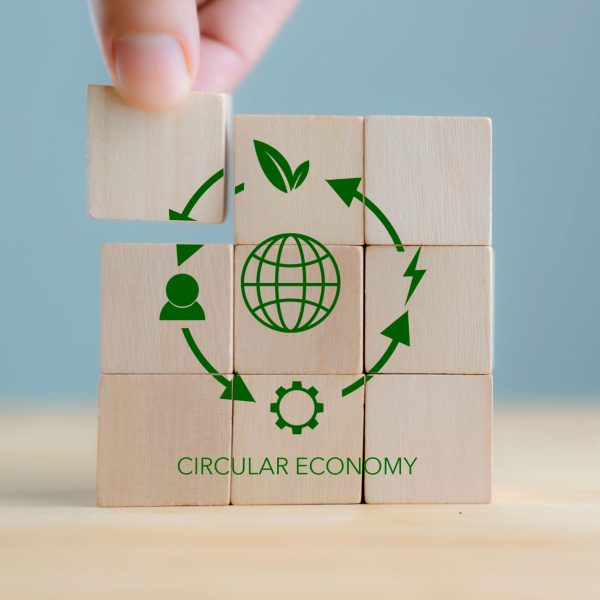
Aluminium fits perfectly into a circular economy model, where nothing is wasted and everything is recycled, turning waste into new resources.
The extraction of raw materials is being reduced.
01 It is reduced
The generation of industrial waste is minimised.
02 It is minimized
The use of energy and water in remanufacturing processes is optimised.
03 It is optimized
This not only improves environmental impact, but also increases the competitiveness of companies that integrate it into their strategies.
Reducing Environmental Impact
The manufacturing and use of rolled aluminium enable energy optimization throughout the entire value chain. From its lightness, which reduces energy costs in transportation, to its ability to improve thermal insulation in buildings, aluminium helps reduce the carbon footprint of the products and sectors in which it is used.
Manufacturing Process
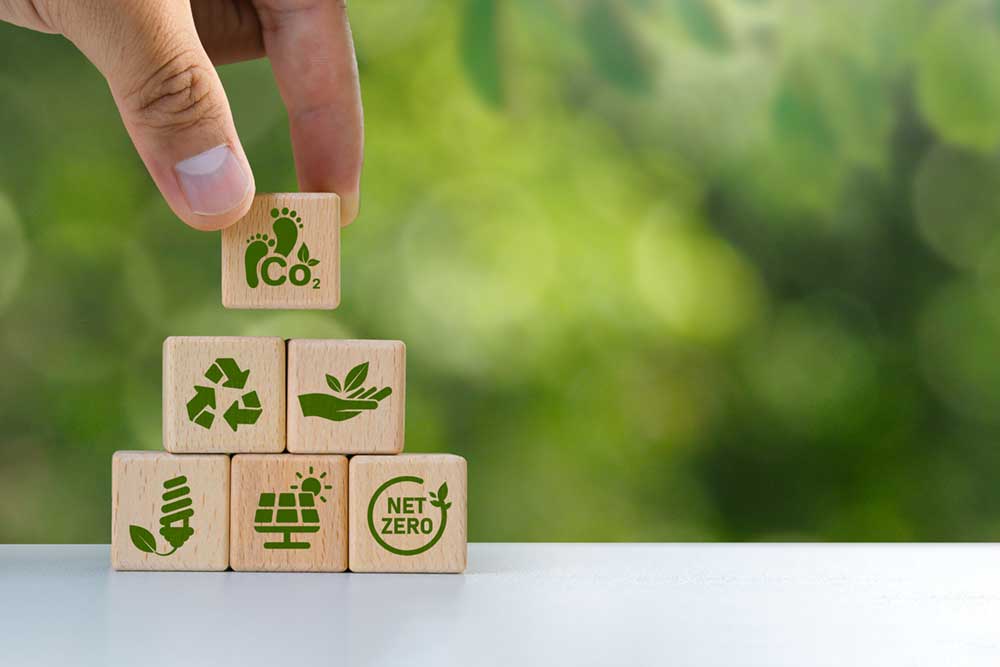
Secondary aluminium consumes 95% less energy compared to primary aluminium production. This results in a 45% reduction in CO₂ emissions into the atmosphere during raw material extraction.
Transport
Every kilogram of aluminium replaces 2 kilograms of steel, significantly reducing vehicle weight and, consequently, fuel consumption and emissions.
Construction
It improves the energy efficiency of buildings by reducing heating and cooling costs, thanks to its insulating properties.
Packaging
Its lightness and ease of transport contribute to more sustainable logistics chains.